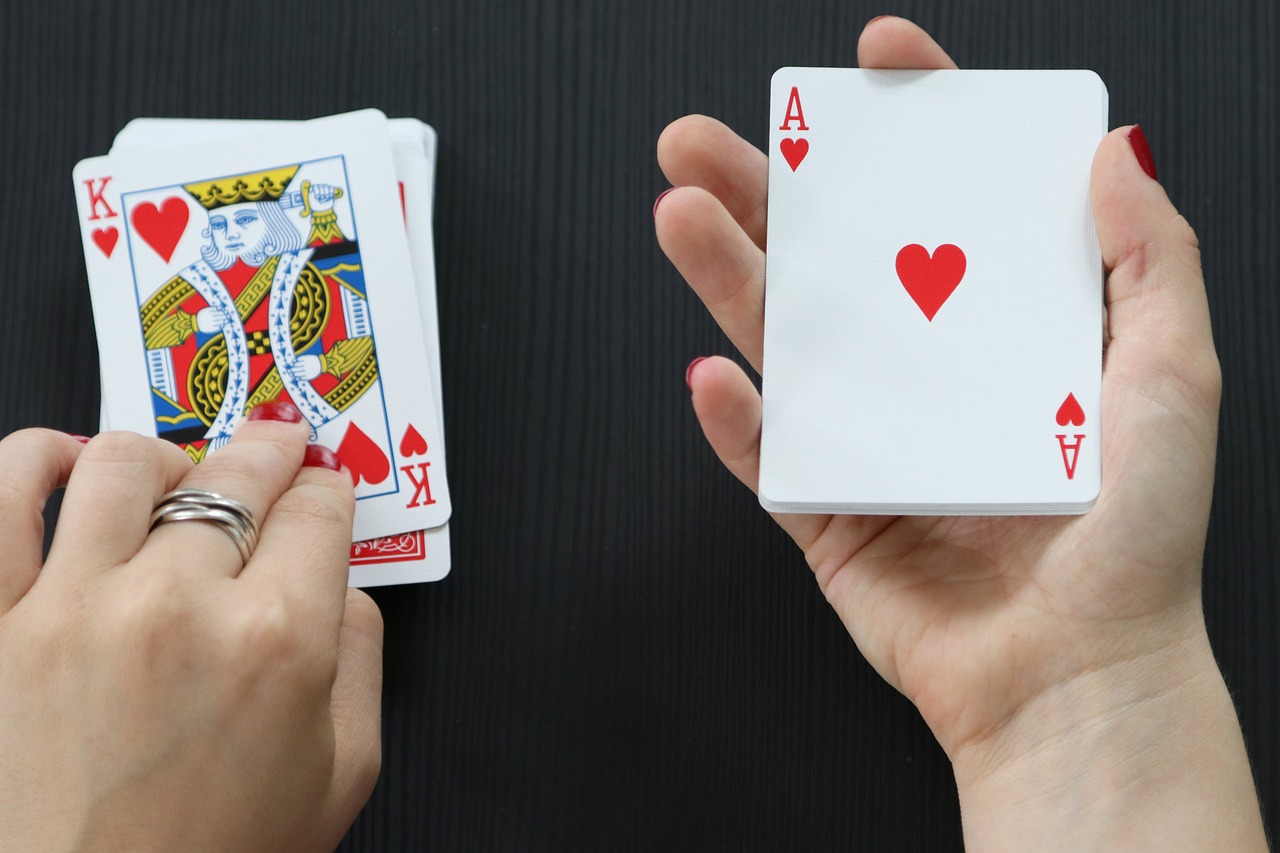
You know that rush when a slot machine lines up three wilds? Or when your bluff gets called and you flip over the nuts? That's the heartbeat of iGaming. But let's cut through the noise: online casinos, sports betting, slots, and poker are not just about luck. They're ecosystems with their own rules, math, and psychology. Whether you're a curious newbie or a seasoned grinder, this guide gives you the unvarnished truth—no fluff, no hype.
iGaming covers any gambling activity done over the internet. That's casino games, sportsbooks, poker rooms, and even virtual sports. The global market hit $86 billion in 2023 and isn't slowing down. But here's what matters to you: the experience varies wildly depending on where you play and what you play.
Three big segments dominate:
Each has its own rhythm. Slots are fast and solitary. Poker is slow and social. Sports betting is reactive and analytical. Know which one fits your temperament before you deposit a cent.
Slots are the candy of iGaming—bright, addictive, and deceptively simple. But behind those spinning reels is a random number generator (RNG) that determines every outcome. No skill, no patterns. Just math. Those comparing choices often turn to mahjong ways 2.
Here's what you should actually care about:
Don't chase progressive jackpots unless you understand the odds. The Mega Moolah jackpot has odds around 1 in 300 million. You're more likely to be struck by lightning twice.
Pro tip: Use free demo modes to test volatility and features before betting real money. Most reputable casinos offer them without registration.
Poker is the only iGaming vertical where you can consistently win if you're better than your opponents. The house takes a rake—typically 5% of each pot up to a cap—but you're not playing against the house. You're playing against other humans.
Three core formats dominate online:
If you're serious about poker, track your hands with software like PokerTracker or Hold'em Manager. Your memory lies. Data doesn't. And study preflop ranges—most beginners lose money by playing too many hands out of position.
Sports betting feels like you're outsmarting the bookmaker. Most of the time, you're not. Sportsbooks employ quants and AI to set lines that balance action and guarantee profit. Your job is to find inefficiencies.
Key concepts:
In-play betting is where recreational bettors bleed money. The odds shift every second, and emotions run high. If you can't control your impulses, stick to pre-match bets.
If slots are candy, blackjack and roulette are chess and dice. Blackjack has a house edge as low as 0.5% with basic strategy. That means you're almost playing even money—far better than slots' 4% edge.
Basic blackjack strategy is a chart that tells you exactly when to hit, stand, double, or split based on your hand and the dealer's upcard. Memorize it. It's the closest thing to a cheat code in gambling.
Roulette is simpler: European roulette has a 2.7% house edge; American roulette has 5.26% due to the extra double zero. Always choose European. And never, ever bet on the 'five-number basket'—it's a sucker bet with a 7.89% edge.
You can have the best strategy in the world, but without bankroll management, you'll go broke. Here's a simple framework:
Emotional control is the other half. Tilt—playing angry or desperate—is the fastest way to lose. If you feel frustrated, log off. The tables will still be there tomorrow.
iGaming is entertainment first. The moment it becomes a grind or a lifeline, you've lost the plot. Treat slots like a night out—pay for the experience, not the expectation of profit. Treat poker and sports betting like a mental challenge—study, track, and improve. And always, always read the terms and conditions for bonuses. That 'free' $100 often comes with 40x wagering requirements that make it nearly impossible to withdraw.
No strategy guarantees wins. But understanding RTP, variance, basic strategy, and bankroll management tilts the odds slightly in your favor. The house always has an edge—your job is to minimize it while maximizing fun. Now go spin, bet, or raise. Just do it with your eyes open.

Why the British tell ghost stories at Christmas, and how to write your own — from cold settings and quiet dread to a...

Build a daily reading habit in thirty days with a simple plan: ten-minute sessions, short stories, essays and poems,...

Seasonal prompts and practical techniques for writing autumn essays about change, memory and transition in Britain —...

A new story every day for readers..
